
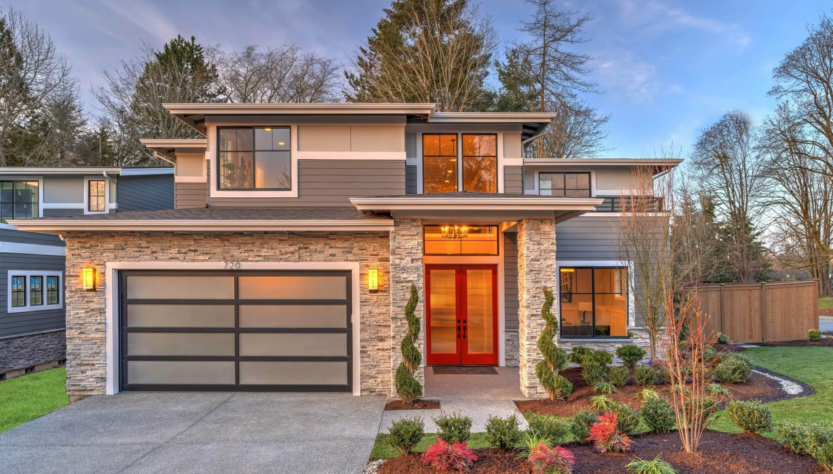
A garage door is one of the most visible exterior elements of a property and one of the most frequently used mechanical systems in a home or commercial building. Selecting the right door involves more than aesthetic preference — material durability, insulation value, operational mechanism, security features, and appropriate sizing all affect how well the door performs over its service life. Understanding these factors before making a selection ensures the door serves the property’s functional and visual needs for many years.
Assess the Commercial Doors Requirements
Residential and commercial properties have different garage door requirements that should be defined before any selection is made. Residential garage doors prioritize curb appeal, insulation, quiet operation, and convenience features. The commercial doors often prioritize durability, ease of maintenance, security, and the ability to handle frequent cycles in demanding environments.
Choose the Right Residential Garage Doors Material
Garage door materials each carry different performance characteristics relevant to specific climates and use conditions. Steel residential garage doors offer the best combination of durability, insulation options, and resistance to denting for most residential applications. Wood doors provide traditional aesthetic appeal but require periodic refinishing and are susceptible to moisture damage in humid climates. Aluminum doors are lightweight and corrosion-resistant, making them well suited for coastal environments. Fiberglass doors resist moisture and denting but offer limited insulation without additional treatment.
Consider Insulation Value for Conditioned Spaces
Garage doors that open into attached garages or conditioned shop spaces significantly affect heating and cooling performance of the adjacent areas. Insulated steel residential garage doors with polyurethane core insulation provide R-values typically ranging from R-12 to R-18, meaningfully reducing heat transfer through the door panel. In climates with cold winters or hot summers, the energy savings from an insulated door over an uninsulated alternative are measurable in monthly utility costs. Beyond energy performance, insulated doors reduce noise transmission, which matters in attached garages adjacent to living spaces.
Match Door Style to the Property’s Architecture
Garage door style communicates design character that affects the overall appearance of the property. Traditional raised-panel steel doors suit colonial, traditional, and craftsman-style homes; carriage house designs with decorative hardware complement farmhouse and craftsman aesthetics; contemporary flush or full-view aluminum doors suit modern architecture. Commercial properties for sale or lease benefit from doors that present professionally and match the building’s design language, as the commercial door appearance contributes to the first impression the facility makes on potential tenants, buyers, and visitors.
Evaluate Operational Systems and Security Features
The mechanism that operates the door — torsion spring or extension spring balanced systems for residential, high-cycle operators for commercial — determines operational longevity and maintenance requirements. High-cycle torsion spring systems rated for 50,000 to 100,000 cycles outlast standard residential springs and reduce replacement frequency in high-use applications. Modern garage door openers offer security features including rolling code technology that prevents code interception, battery backup operation during power outages, and smartphone connectivity for remote monitoring and operation.
Conclusion
Choosing the right garage door requires matching material, insulation, style, and operational system to the specific requirements of the property and its intended use. A door selected with all of these factors considered delivers lasting functional and visual performance that a size-fits-all choice rarely achieves.