
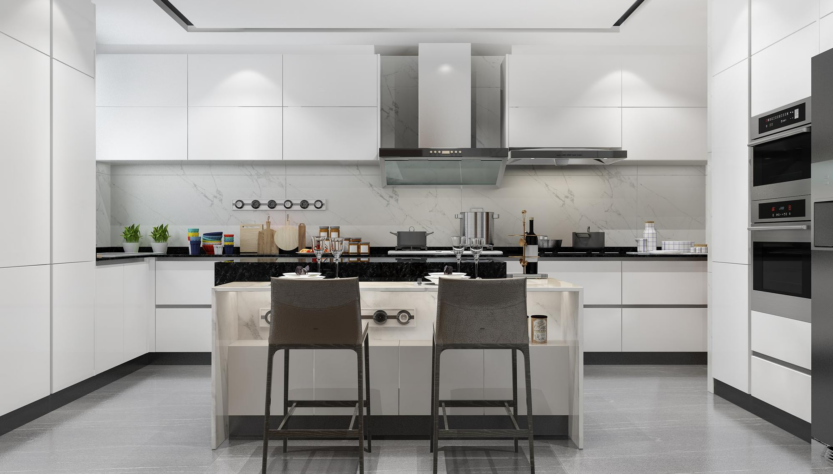
A kitchen designer is a specialized professional who plans, designs, and organizes kitchen space. Their primary goal is to balance the kitchen’s visual appeal with its daily practical use.
Apart from designing custom or built-in cabinetry, they can also optimize the classic work triangle (the links between the sink, stove, and refrigerator).
However, not all kitchen designers are the same. Some deliver exceptional work, whereas others can’t even complete basic tasks.
So, before working with a kitchen designer, make sure they can handle all those complex challenges. Here’s how you can do that.
Check Their Technical Knowhow
It’s the first and the most important thing to see, as there is no point in working with someone who can’t solve complex problems. You need to ask if they understand different workflow zones and layout types so they can design the kitchen for maximum efficiency.
A reliable kitchen designer possesses a deep knowledge of building codes and how to read architectural plans. They can even use tools like AutoCAD to create clear 3D renderings so you can visualize the result before the work even starts.
They can also find clever workarounds for awkward obstacles or limited square footage.
Experience and Track Record
As they say, experience speaks louder than words. So, you need to ask directly as if they’ve already completed projects similar in size, layout, and style to your home. An experienced professional will never shy away from sharing those things.
Once they share something, you should also verify it independently to ensure the contractor is genuinely reliable.
An experienced professional will anticipate site challenges and find functional alternatives when your first choice isn’t structurally possible. These people also have established networks of trusted plumbers, installers, and contractors. This will streamline the entire workflow and make the job finish sooner.
Reviews and Reputation
A kitchen remodel will affect your daily routine for weeks or months. So checking reviews will reveal whether a designer listens to your ideas, stays responsive, and maintains a collaborative working relationship.
Past client feedback also highlights their attention to detail and recurring patterns in craftsmanship. It will give you a solid idea of whether the contractor can meet your design goals (which are often creative or complex).
You can visit their website or official Google Profile to see what people are saying about them. And pay close attention to critical reviews as they’ll reveal where the designer actually underperformed.
Quotes and Prices
You would never want to run into a budget overrun that you can’t actually bear. So it’s important that you ask for all the quotes (in written form) in advance and carefully analyze where the money is actually going. This approach will reveal hidden fees and ensure that you do not face surprise out-of-pocket costs midway through the construction work.
Designs also charge at different rates. Some ask for hourly rates, whereas others may work for flat design packages. Some even take a small percentage of the total build cost.
Knowing the exact model in advance will prevent unexpected bills that may burn holes in your pocket.