
Blocked and underperforming drains are a persistent challenge in residential and commercial properties alike. While several methods exist for clearing drain obstructions, hydro jetting has emerged as the most thorough and durable solution available for restoring full pipe capacity and extending the interval between necessary service visits. Understanding why hydro jetting outperforms alternative methods helps property owners and facility managers make informed decisions about their drain maintenance approach.
What Makes Hydro Jetting Fundamentally Different
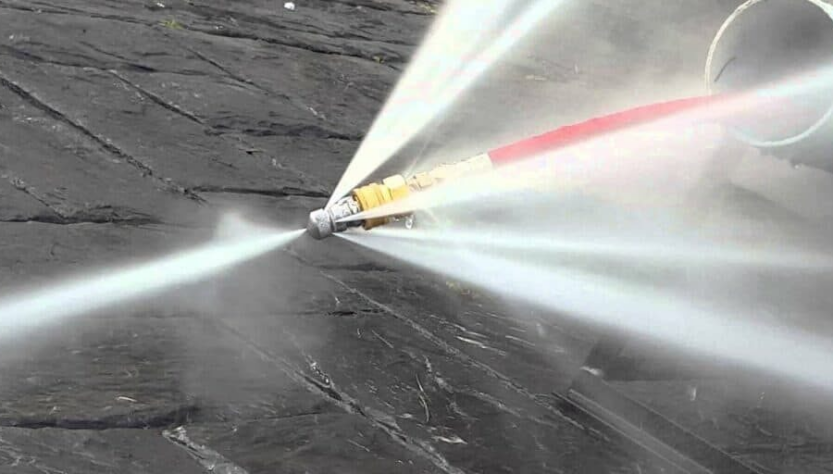
Conventional drain rodding and chemical treatments address blockages by breaking them apart or dissolving limited portions of the obstruction, leaving residue on pipe walls that accelerates reblocking. Hydro jetting uses water delivered at pressures up to 4,000 psi through a specialized nozzle that directs cutting jets both forward and rearward as it travels through the pipe. This approach does not merely clear a passage through the blockage, it scours the pipe interior clean of the accumulated grease, scale, and biofilm that would otherwise continue to narrow the effective pipe diameter.
The Blockages That Only High-Pressure Cleaning Can Fully Address
Certain types of pipe buildup resist all conventional clearing methods. Grease accumulations in commercial kitchen drain systems solidify into deposits that rodding pushes through but does not remove. Mineral scale from hard water gradually constricts pipe diameter in a way that chemical treatments affect only at the surface. Tree root intrusions in older clay or cast iron pipes require cutting and flushing that mechanical rodding alone cannot achieve completely. Professional hydro jetting addresses all of these scenarios with a completeness that alternative methods cannot replicate.
How Hydro Jetting Protects Pipe Integrity When Used Correctly
A legitimate concern with high-pressure drain cleaning is the potential for pipe damage, particularly in older systems where pipe materials may be compromised. This is why reputable plumbers conduct a camera inspection before initiating any hydro jetting work. The survey assesses pipe material, condition, and the nature of the blockage, determining whether the pipe can safely withstand jetting pressure and which nozzle configuration is appropriate. In hands that understand these parameters, hydro jetting is remarkably safe even in systems with aging infrastructure.
Frequency and Scheduling That Maximizes the Investment
The interval between hydro jetting services varies significantly by system usage and the nature of the waste stream the drain handles. Commercial kitchen drains in high-volume facilities may benefit from quarterly or semi-annual jetting. Residential systems under normal use may need attention only every few years. The post-jetting camera survey provides a baseline condition record that allows the next service interval to be estimated accurately, moving the maintenance approach from reactive to genuinely planned and predictable.
Understanding the Full Value Compared to the Upfront Cost
Hydro jetting costs more per service visit than basic drain clearing, and this difference prompts some property owners to question whether the premium is justified. The calculation changes when the full picture is considered: a drain that has been hydro-jetted blocks less frequently, requiring fewer reactive call-outs. The risk of a drain failure causing water damage or operational shutdown is reduced. The pipe itself operates at a higher efficiency, protecting downstream treatment systems and reducing odor complaints.
Conclusion
Hydro jetting represents the current best practice in professional drain cleaning, delivering a standard of thoroughness and durability that conventional methods cannot approach. For properties where drain performance is critical, the investment in periodic professional hydro jetting is one of the clearest examples of spending wisely on maintenance to avoid spending heavily on repairs.