
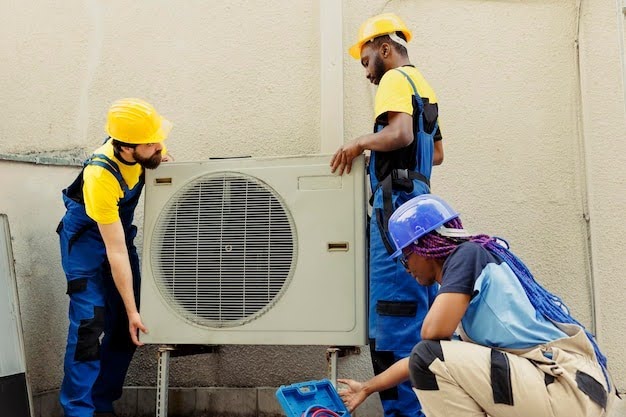
Cooling costs can take a large share of your monthly utility bill, especially during long, hot summers. If your system is aging, air conditioning replacement is a perfect chance to upgrade to a smarter, more efficient model. The right choice can lower your energy use, improve comfort, and reduce your environmental impact. This guide explains the most important energy-saving options to consider before you buy, so you can invest wisely and enjoy long-term savings. Whether you own a small apartment or a large family home, smart choices today bring lasting benefits.
1. High SEER Rating
When planning air conditioning replacement, start by checking the SEER rating, which measures cooling efficiency over a season.
A higher number means less electricity is needed to produce the same cooling. Modern units offer far better ratings than older systems, so upgrading can noticeably reduce your monthly bills. Always compare labels from different brands carefully.
2. Variable-Speed Technology
Many homeowners choose variable-speed compressors during air conditioning replacement because they adjust output to match demand.
Instead of switching on and off repeatedly, the system runs smoothly at lower speeds. This improves humidity control, reduces noise, and saves energy while keeping temperatures steady throughout the day. Comfort improves as well.
3. Heat Pump Systems
Consider a heat pump as part of your air conditioning replacement plan, since it provides both cooling and heating. Heat pumps move heat rather than generate it, which makes them highly efficient.
Ductless mini-split versions are also useful for homes without ducts or for rooms that need individual control. They also perform well in moderate climates.
4. Smart Thermostats
A smart thermostat pairs well with any air conditioning replacement project. It learns your schedule, adjusts temperatures automatically, and lets you control the system from your phone.
Even small changes in scheduling can reduce wasted cooling, and detailed usage reports help you spot habits that raise costs. Remote access adds convenience when you travel.
5. Proper Sizing and Ductwork
Correct sizing is essential during air conditioning replacement, because oversized units cool too quickly and waste energy, while undersized ones run constantly. Ask your contractor to perform a load calculation.
Sealing and insulating leaky ducts is equally important, since lost air can reduce efficiency significantly. Proper installation matters just as much as the equipment itself.
6. Rebates and Long-Term Savings
Check for incentives before finalizing your air conditioning replacement budget. Many utility companies and governments offer rebates, tax credits, or financing for efficient equipment.
Although high-efficiency models may cost more initially, lower operating costs, fewer repairs, and longer service life often repay the difference over time. Always keep receipts and paperwork for claims.
Final Thoughts
Air conditioning replacement is more than swapping an old unit for a new one; it is an opportunity to improve comfort and cut expenses. Focus on a strong SEER rating, variable-speed technology, heat pump options, smart controls, correct sizing, and available rebates. Compare quotes from licensed professionals, ask about warranties, and schedule regular maintenance after installation. With careful planning, you can enjoy a cooler home, lower bills, and a smaller carbon footprint for many years.